
Simple and Safe Exercises for Older Adults to Stay Active
Staying active matters at every age.
For older adults, regular movement helps support strength, balance, and everyday independence. Exercise does not need to be intense to be effective. Small, consistent movements can make a meaningful difference over time.
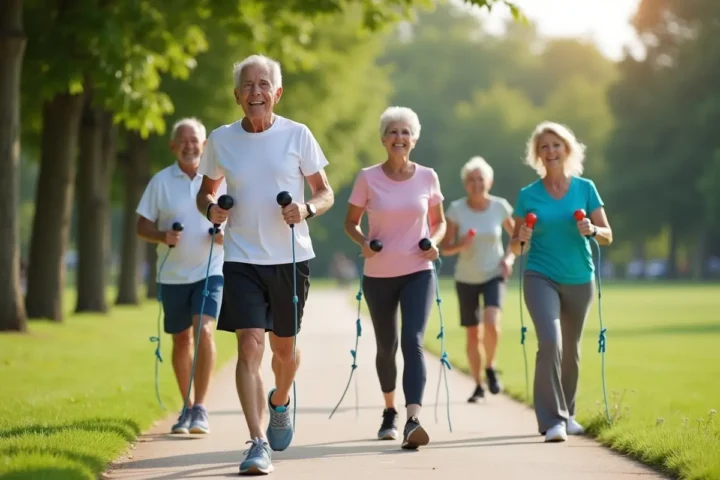
The goal is not performance. The goal is staying mobile, steady, and confident in daily life.
Why Exercise Is Important for Older Adults
As people age, muscle strength, balance, and flexibility naturally decline. Regular exercise helps slow these changes and supports overall health.
Physical activity can reduce the risk of falls, improve joint mobility, and support heart health. It can also boost mood and energy levels.
Exercise works best when it feels manageable and safe. Consistency matters more than intensity.
Key benefits of regular exercise
- Improved balance and coordination
- Better muscle strength for daily tasks
- Increased flexibility and joint comfort
- Improved circulation and heart health
- Better confidence with movement
Walking Is One of the Best Places to Start
Walking is one of the safest and most accessible exercises for older adults.
It requires no special equipment and can be adjusted to any fitness level. Walking supports heart health, strengthens leg muscles, and improves balance.
Short walks done regularly are often more effective than long walks done occasionally.
Tips for safe walking
- Wear supportive, comfortable shoes.
- Start with short distances and build gradually.
- Walk on flat, even surfaces when possible.
- Use handrails or walking aids if needed.
Strength Exercises Help With Everyday Activities
Strength training helps older adults maintain the ability to perform daily tasks such as standing up, carrying groceries, and climbing stairs.
Bodyweight exercises are often enough to build and maintain strength. Resistance bands and light weights can also be used safely.
Simple strength exercises
- Chair squats to strengthen legs and hips.
- Wall push-ups to support upper body strength.
- Seated leg lifts to strengthen thighs.
- Light dumbbell or resistance band exercises for arms.
Exercises should be done slowly and with control. Proper form matters more than repetitions.
Balance Exercises Reduce the Risk of Falls
Balance becomes more challenging with age, which increases the risk of falls. And balance exercises help improve stability and coordination.
These exercises should be done near a wall or sturdy surface for support.
Effective balance exercises
- Standing on one foot while holding a chair or counter.
- Heel-to-toe walking along a straight line.
- Shifting weight slowly from one foot to the other.
Even a few minutes of balance practice each day can lead to noticeable improvement over time.
Flexibility Exercises Support Comfort and Movement
Stretching helps keep muscles flexible and joints comfortable.
Flexibility exercises are especially helpful for reducing stiffness and improving range of motion. They are best done after light movement when muscles are warm.
Gentle flexibility exercises
- Neck and shoulder rolls.
- Calf and hamstring stretches.
- Gentle seated twists.
- Ankle circles to improve joint mobility.
Stretches should feel comfortable, not painful. Holding each stretch for 15 to 30 seconds is usually enough.
Knowing Which Exercises Are Best for You
Every person is different, and exercise plans should reflect individual needs and abilities.
It is important to choose exercises that feel safe and manageable. Health conditions, past injuries, and mobility levels should always be considered.
A helpful resource that outlines exercises for older adults can provide guidance on fitness routines designed specifically for seniors, with a focus on safety and gradual progression.
If there is any uncertainty, speaking with a healthcare provider before starting a new exercise routine is a smart step.
Making Exercise a Regular Habit
The best exercise routine is one that can be maintained.
Short, regular sessions are often more effective than long workouts done occasionally. Even ten to fifteen minutes of movement per day can add up.
Tips for staying consistent
- Set a regular time each day for movement.
- Choose activities you enjoy.
- Start slowly and build over time.
- Listen to your body and rest when needed.
Exercise should support daily life, not exhaust it.
Staying Active Supports Independence
Exercise helps older adults maintain strength, balance, and confidence.
These benefits support independence and make everyday activities easier and safer. Movement does not need to be complicated to be effective.
With the right exercises and a steady approach, staying active can remain a comfortable and rewarding part of daily life.