11 Things You Need to Know Before Your First Private Flight
Your first private flight feels different right from the moment you pull up to the terminal. There’s no crowd, no loudspeaker, no long security queue. Instead, you step into a quieter world built around ease and efficiency.
Still, even the calmest setup can feel unfamiliar if you’ve only ever flown commercial. Consider this your experienced-traveler walkthrough of what actually happens and how to make the most of your first private aviation experience.
1. You Won’t Be Using a Regular Airport Terminal
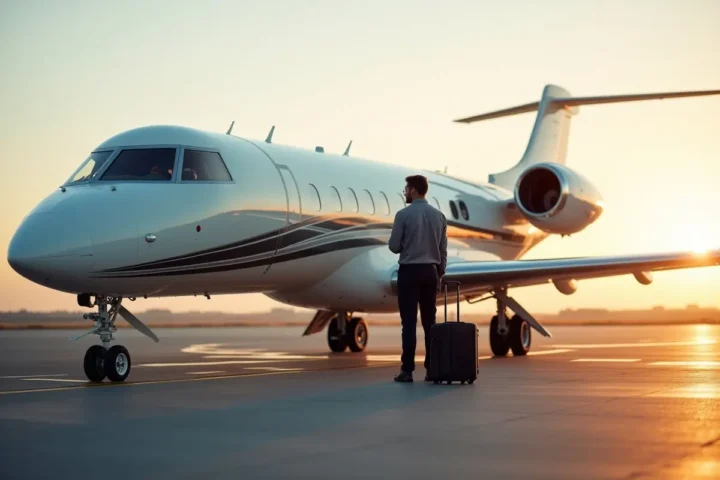
Private flights depart from FBOs, which look more like boutique lounges than busy terminals. If it’s your first visit, the stillness can catch you off guard. You walk in, check in at a quiet desk, grab a coffee, and that’s it—no crowds, no frantic announcements, just a calm space that moves at your pace.
Private jet charter services often operate through these FBOs, giving you direct access to a smoother, more controlled travel environment than anything commercial terminals can offer.
2. Arriving 20–30 Minutes Before Departure Is Usually Enough
This surprises nearly everyone. Showing up half an hour before takeoff feels wrong until the pilot greets you casually, as though you arrived early. The schedule is built around your group, not dozens of passengers. Just remember: cross-border flights may require a slightly earlier arrival so customs can process information in advance.
3. Security Still Happens, but It’s Quiet and Fast
Private aviation doesn’t skip safety—it simply handles it differently. You might go through a brief screening or ID check, but it’s fast, calm, and conducted by trained security staff without long lines or loud instructions. Most travelers are checked through in minutes.
4. Cross-Border Flights Still Require Customs
For U.S.–Canada flights, your passport details must be submitted in advance. You’ll still clear customs, but the experience is dramatically faster. Officers might meet you at the FBO or onboard. It’s the same legal process—just smoother and far more efficient.
5. Luggage Space Is Limited on Many Private Jets
Private cabins look roomy, but storage isn’t unlimited. Smaller jets, especially, can fill up quickly. Duffel bags fit better than complex cases, and bulky winter gear from Canadian cities can take up more space than expected. If you plan to bring skis, golf clubs, or instruments, always mention them early so the right aircraft can be arranged.
6. Weather Can Impact Plans More Than You Expect
Canadian winter weather can affect smaller jets more quickly than it does commercial airliners. Pilots may delay or adjust the route for safety, especially with snow, fog, or strong winds. These decisions aren’t inconveniences—they’re part of maintaining the highest safety standards.
7. You Have Flexibility, but Not Unlimited Flexibility
Private flying gives you more control, but rules still apply. Airports have operating hours, pilots have duty limits, and weather has its own timeline. You can shift departure times within reason, but the schedule still depends on factors beyond anyone’s control in aviation.
8. Onboard Amenities Vary by Aircraft Size
Not every jet is a flying hotel suite. Light jets typically offer comfortable seating, snacks, and drinks, but not always a flight attendant. Larger jets add more space, catering, and higher-end features. Ask what’s onboard before you fly so expectations match reality—this is the easiest way to avoid surprises.
9. Private Jet Etiquette Is Simple and Human
You don’t need to dress formally or follow a strict script. A few points help you blend in naturally:
- Wait until the crew invites you to board
- Treat the space respectfully; it’s often someone’s personal aircraft
- Let the host choose seats first if you’re a guest.
Think of it like entering someone’s well-kept living room—casual, but considerate.
10. The Cabin Experience Is Quiet and Personal
There’s no overhead noise, no rushing passengers, and no chaotic boarding. Conversations feel private, and you may be able to see into the cockpit, which makes the flight feel more open and relaxed. Many people find private cabins unexpectedly grounding, especially compared to commercial flights.
11. The Real Value Is Convenience, Not Flash
Most first-timers think private aviation is all about glamour. In reality, it’s about efficiency. You skip long lines, fly on your own schedule, and reach airports commercial airlines don’t serve. For Canadian travelers heading to cottage country, ski resorts, remote work sites, or small U.S. cities, the time saved becomes the true luxury.
Final Thoughts
Your first private flight isn’t something to overthink. Once you know the basics—how FBOs work, how to pack, what customs looks like, and how flexible scheduling truly is—the entire experience becomes more enjoyable. Private aviation isn’t about exclusivity; it’s about reclaiming time and traveling with clarity instead of chaos.