How Modern Monitoring Tools Changed Industrial Safety Standards
Industrial safety used to consist of clipboards, scheduled walkthroughs, and hoping for the best until next inspection time. That was manageable when operations were far more simplistic and slower, but that’s not the case for modern industrial environments.
Industrial operations run at a different pace; equipment runs harder, production schedules are tighter, and the costs of industrial failures, operational and safety, from negligence have increased. Therefore, how companies assess safety-critical equipment has changed.
Why Scheduled Assessments No Longer Work
Scheduled safety assessments, however, often fall short. That’s because safety issues do not occur on a predictable basis. An unanticipated incident occurs; a bearing begins to fail Tuesday afternoon, and the company can’t check on it again until Friday.
By then, it’s clear that something has gone wrong, but instead of a minor fix, there’s a major safety concern due to the extended amount of time that the failures have gone unseen. Scheduled assessments create blind spots where, the faster operations run, the larger the blind spots become.
Furthermore, scheduled assessments rely heavily on human observation. A technician may notice significant issues while doing a walk through, but minor shifts in vibration, changes in temperature, and other indicators that something may be amiss go unnoticed. However, these small changes are often critical signs that alert technicians that preventative measures are better than emergency responses to protect operation and safety.
Where Things Changed
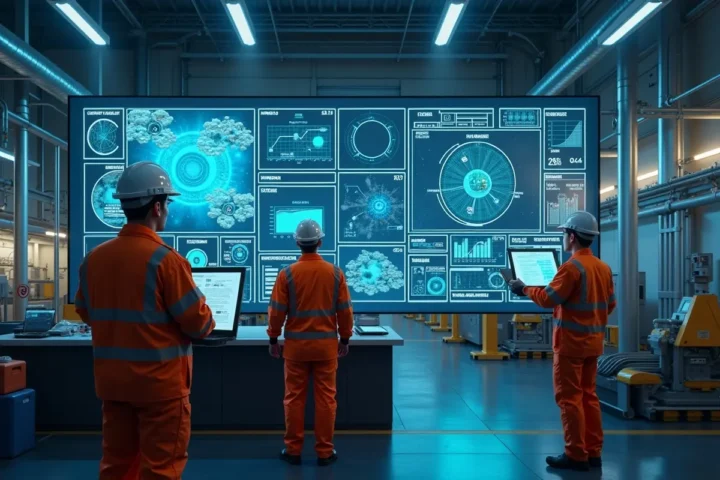
This is where things changed. Remote wireless condition monitoring systems allow for constant assessments instead of a pre-determined one. These technologies mean that instead of waiting for someone to look at a machine over the course of a week or month (or whatever scheduled time is employed for a thorough inspection), sensors track data nonstop to catch small incidents before they become major incidents.
The system’s technology surrounds strategically placed sensors around critical machinery, measuring any vibration, temperature, pressure or other systems which signal how well or poorly something is functioning.
When patterns begin to stray outside of normal ranges, they alert maintenance teams before systems have time to fail. This is not to say that human judgment is no longer important; assessors and technicians are just as valuable. However, with technology assisting them and providing accurate data, it makes their jobs easier to direct their attention to specific concerns.
Revolutionary Safety Improvements
The resulting impact on safety has been revolutionary. Failures that may occur in the industrial setting may be dangerous to those in proximity. A pump leaking water; an overheating compressor; failing bearings on a motor; these are complicated thoughts which not only represent maintenance failures but potential safety incidents waiting for the right (or wrong) time to occur.
The sooner these incidents can be diagnosed as problems before they reach critical stages (i.e. frequent failure during hours of operation) the better for workers who don’t have to encounter such emergencies and hazards.
In fact, with proactive systems in place, the work culture can shift as well. Instead of waiting around for something to go wrong and reacting as needed (which creates stress), constant assessments create a more proactive atmosphere where problems get fixed when needed so workers can better focus on their jobs, confident that the systems around them are functioning correctly.
The Implementation Process
Companies typically implement these after determining the most valuable machinery where failure would increase operational disruption or safety risk. For example, primary production machinery or safety systems themselves are best utilized with these new tools from start. Monitoring can expand as systems prove successful enough that budgets and needs allow.
One of the biggest benefits includes the fact that this does not require constant human oversight. Instead of a maintenance team checking in with different pieces of equipment at all times, even when nothing wrong exists, sensors assess information without interference.
And alerts come through when something needs attention, unlike the old way where someone may check on something day after day without change and no one getting helped in the meantime.
The Results Are In
Companies who have utilized this assessment tool have acknowledged problem catching capabilities that would have otherwise gone unnoticed through scheduled assessments. For example, small things get fixed before they become time-consuming repairs or dangerous situations.
Maintenance becomes more timely because sooner professionals see trending failures instead of waking up one day surprised that something broke overnight. The more professionals intervene in pieces with information beforehand, the easier it is to uphold standards (as long as it’s not critical emergency repairs which have their own safety concerns).
Furthermore, it’s not only reassuring to those who engage with the assessment tool; it’s better than they’re not called in constantly for quick-repair solutions to help managers meet deadlines as quickly as possible.
Operations equipped with these new assessment tools enjoy better performance because downtime, once trending assessments occur, allows for professionals to take their time rather than race against one.
The New Safety Standard
The new safety standard emphasizes systems that provide proactive notifications instead of those who take stock post-incident. Therefore, continuous condition monitoring upgrades fit into this expectation because it’s clear that officials are doing everything possible to maintain worker safety beyond compliance standards that would otherwise mean bare minimum options.
These assessments transformed industrial safety from something reactive to something more anticipatory. Instead of waiting until annual safety meetings or responding to obvious deficiencies on their own, organizations can now maintain real-time engagement with whatever has been deemed critical inventory and take action as situations arise. This is an important change that’s now expected from employers and regulators alike for all modern industrial operations.