
The 72-Hour Rule: How to Protect Your Health in Any Time Zone
Jet lag isn’t just about feeling tired after a long flight. Your body experiences a complex series of disruptions that can affect everything from your immune system to your decision-making abilities. Understanding the critical first 72 hours after crossing time zones can mean the difference between a successful trip and days of misery.
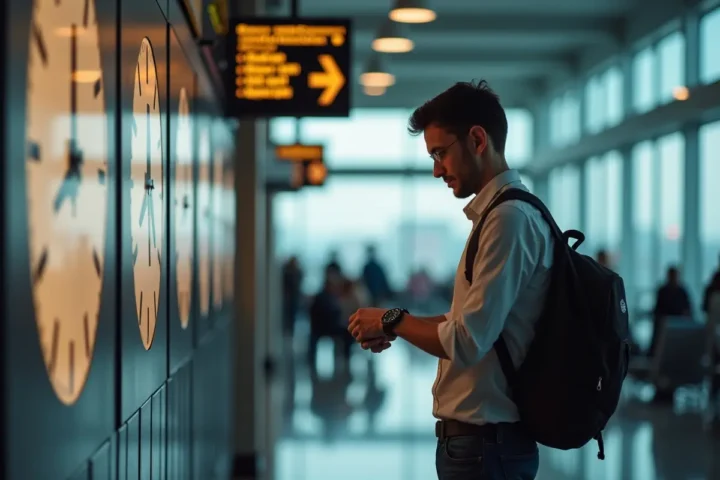
Why 72 Hours Matters
Your body operates on a roughly 24-hour internal clock called the circadian rhythm. When you suddenly change time zones, this clock doesn’t instantly adjust. Research shows that your body needs approximately one day for every time zone crossed to fully adapt. However, the first three days are particularly crucial because this is when your body is most vulnerable to the compounding effects of disrupted sleep, dehydration, and stress.
During these initial 72 hours, your cognitive function drops significantly. Studies have found that severe jet lag can impair your judgment as much as being legally intoxicated. This explains why travelers sometimes make poor decisions, from signing unfavorable business contracts to taking unnecessary risks. In fact, accidents and injuries spike during this adjustment period, which is why having contact information for a hotel injury lawyer isn’t as paranoid as it might sound when traveling internationally.
The Morning Light Strategy
The single most powerful tool for resetting your internal clock is light exposure. Your body produces melatonin in response to darkness and suppresses it with light. By strategically timing your light exposure, you can accelerate your adjustment.
If you’ve traveled east, get bright light in the morning. Open your curtains immediately upon waking, eat breakfast outside if possible, or take an early walk. This signals to your body that it’s time to be awake. Conversely, if you’ve traveled west, seek afternoon and evening light while avoiding bright light in the early morning.
Indoor lighting typically isn’t strong enough to make a significant difference. You need natural sunlight or a light therapy box that provides at least 10,000 lux. Even a cloudy day outside provides more beneficial light than indoor lighting.
Strategic Napping
The conventional wisdom says to avoid napping when fighting jet lag, but this advice is too simplistic. Strategic napping can actually help you get through the dangerous first 72 hours without compromising your adjustment.
The key is keeping naps short and properly timed. A 20-minute power nap during your body’s natural afternoon dip can restore alertness without disrupting nighttime sleep. Set an alarm and resist the temptation to snooze longer. Naps longer than 30 minutes allow you to enter deep sleep, making you groggier upon waking and interfering with your nighttime rest.
However, never nap after 4 PM local time. This makes it harder to fall asleep at an appropriate hour and prolongs your adjustment period.
Hydration Beyond Water
Airplane cabins have humidity levels around 10 to 20 percent, comparable to the Sahara Desert. This extreme dryness, combined with the diuretic effects of alcohol and caffeine, leaves most travelers significantly dehydrated upon landing. Dehydration amplifies every symptom of jet lag and suppresses immune function.
Water is essential, but it’s not the complete solution. Your body also needs electrolytes to properly absorb and retain fluids. Rather than reaching for sugary sports drinks, consider coconut water, herbal teas, or simply adding a pinch of salt to your water. Eat water-rich foods like cucumbers, watermelon, and oranges.
Avoid alcohol for the first 48 hours after arrival. While it might help you fall asleep on the plane, it disrupts sleep quality and worsens dehydration. Caffeine should be used strategically, only in the morning of your new time zone, and never after 2 PM local time.
Movement Matters
Exercise is a powerful zeitgeber, an environmental cue that helps reset your biological clock. However, timing matters enormously. Morning exercise in your new time zone can help shift your rhythm earlier, while late afternoon exercise can push it later.
You don’t need an intense workout. A 30-minute walk combines light exposure, movement, and mental engagement with your new environment. This trifecta makes it one of the most effective jet lag remedies available.
Avoid vigorous exercise within four hours of your target bedtime. While exercise improves sleep quality generally, late workouts can leave you too energized to fall asleep when you need to.
The Meal Timer
Your digestive system has its own clock, and you can use meals to help reset it. Start eating on your destination’s schedule immediately, even if you’re not particularly hungry. This sends powerful signals to your body about what time it is.
Focus on protein-rich breakfasts to promote alertness and carbohydrate-heavy dinners to facilitate sleep. Avoid heavy meals within three hours of bedtime, as digestion can interfere with sleep quality.
The Bottom Line
The 72-hour rule isn’t about suffering through jet lag. It’s about taking specific, strategic actions during the window when your body is most plastic and responsive to environmental cues.
By manipulating light, sleep, food, and movement during these critical first three days, you can cut your adjustment time in half and protect yourself from the health risks that come with severe circadian disruption.