
Clothing Factories in Los Angeles: A Full 2026 Guide for Brands Ready to Manufacture Locally
The landscape of fashion manufacturing is shifting. Brands are looking for something different. They want control. They want speed. And they want a real partnership. The old way of sending designs across an ocean feels risky now. Delays are common.
Communication is hard. The solution might be in your own timezone. Los Angeles is not just a design capital anymore. It is a thriving, modern production hub. For brands ready to move fast and think smart, the city offers a compelling blueprint. This is your guide to making it work in 2026.
The Obvious Advantage is Proximity
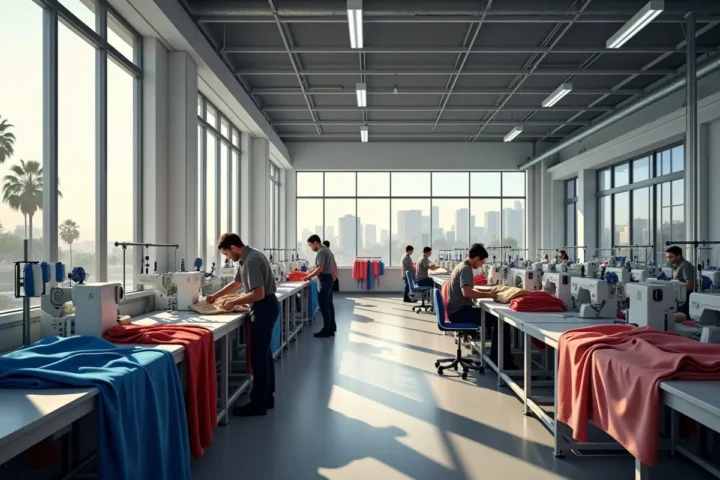
Geography is your greatest asset here. Imagine fixing a sample issue in a single afternoon. Picture checking fabric quality in person before production runs. This is the daily reality of local manufacturing. The entire process becomes a conversation, not a chain of emails. Clothing factories in Los Angeles exist within a rich ecosystem.
Fabric stores, trim suppliers, and pattern makers are all nearby. This tight network collapses timelines. It turns months into weeks. For emerging brands, this proximity means agility. You can test the market with a small batch. You can respond to trends while they are still relevant. Your office can be part of the production cycle.
Know Your Factory’s Specialty
LA’s factory scene is diverse. Not every shop does everything. Your first task is to match your product with the right expertise. Some factories are denim legends. They live and breathe heavyweight selvedge and perfect stitching. Others are masters of luxury knitwear. They handle fine gauges and delicate silks.
Many specialize in cut-and-sew knits for contemporary brands. Some focus on technical activewear with complex performance fabrics. Do your homework. Visit potential partners. Look at their current production lines. Ask for references from brands you respect. The right fit is everything. A specialist factory will elevate your product. They will also prevent costly errors.
The New Rules of Sourcing
Local manufacturing does not mean local fabric only. It means smarter sourcing. LA benefits from massive textile inventories. Many wholesalers hold vast stocks of deadstock fabrics. These are high-quality materials left over from larger orders. Using them is a sustainable and unique choice. It also reduces your minimums.
For new materials, the port of Los Angeles is a major entry point. Your factory can often connect you with reliable fabric agents. These agents understand lead times and customs. They can navigate the complexities for you. Your sourcing strategy becomes a collaboration. Your factory becomes a guide, not just an order fulfiller.
Communication is Your Superpower
Forget the 12-hour time zone delay. Communication in LA is immediate and clear. You can have actual meetings. You can point to a detail on a sample. And you can explain a fit adjustment face-to-face. This closeness builds a true partnership. Factory managers understand your brand vision directly from you.
This reduces mistakes dramatically. It also fosters problem-solving. A challenge with a fabric drape becomes a shared puzzle to solve. This collaborative spirit is the core value of the LA model. It turns a transactional relationship into a creative alliance. Your success becomes their success.
Understanding the Real Costs
Local manufacturing often has a higher price tag per unit. You must understand the value behind that number. You are paying for precision, oversight, and flexibility. Or you eliminate huge shipping costs and import duties. And you avoid the financial risk of a giant, slow container from overseas. You also minimize the cost of errors.
A mistake caught early is cheap to fix. A mistake caught after a boat has sailed is catastrophic. The economic model is about total cost control, not just unit cost. For many brands, the ability to produce less, more often, is a smarter financial path. It ties up less capital in inventory.
The Sustainability Story is Built-In
Consumers now demand transparency. They want to know the origin of their clothes. LA manufacturing provides a clear, trustworthy narrative. You can literally show your customers the workshop. You can highlight the fair wages and safe conditions. The environmental benefits are significant too.
Shorter supply chains mean much lower carbon emissions. Small batch production reduces waste from overstock. Many clothing factories in Los Angeles also champion eco-practices. They recycle scraps. They use efficient cutting software. And they manage water usage in dyeing. This story is not an add-on. It is woven into the process. It becomes a powerful part of your brand identity.
Your Action Plan for 2026
Start with a clear product vision. Prepare professional tech packs. These are your blueprints. Factories respect detailed instructions. Then, begin your factory search with intention. Attend local trade shows like LA Textile. Network with other brand owners. Schedule visits and ask sharp questions. Inquire about minimums, lead times, and sample costs.
Be prepared to invest in development. The initial sample stage is crucial. It sets the standard for everything after. Build a realistic timeline. Local is faster, but good work still takes time. Finally, view your factory as a long-term partner. Nurture that relationship. Loyalty goes both ways.
The future of mindful, responsive fashion manufacturing is already here. It is operating in the industrial buildings of Downtown LA and Vernon. It is powered by skilled artisans and modern technology.
For brands ready to take control, the opportunity is tangible. You can touch it, shape it, and accelerate it. The journey from sketch to shelf has never been more direct. Your 2026 collection is waiting. It is time to produce it where you can see it happen.